







How to start winter dipping
Written by Lejla HodzicTo feel the cold water, the rush of blood flowing in your body, while your skin is entirely covered in goosebumps as the mouth grasps for air. Never has it been more popular to go winter dipping - especially in Scandinavia, as it has been a tradition for centuries in the Nordic countries. Winter dipping serves many benefits for your mental wellness and your body. Although the cold water doesn’t seem all that inviting, you can gain access to plenty of benefits by shortly submersing yourself in the cold ocean. Do you need a final push? Read more and get tips and tricks on how to get started.
________________
Why winter dipping is good for you

When you jump into the cold ocean, the body releases endorphins because your body is cooled down so abruptly. The blood vessels contract which enduces a cocktail of endorphins and adrenaline in the blood - just like when going for a run. It is fantastic for your physical and mental health and gives you an inner feeling of happiness, peace and well-being. Several studies show that winter swimming is also good for your physical health. If you experience pain or discomfort in your body, bathing outdoors in the colder seasons can help you improve these things long-term. Furthermore, it helps you to improve your blood circulation and boost the immune system, and to increase your metabolism, as it takes a large amount of energy to keep the body warm when it is exposed to cold.
All you need to know to get started

Winter dipping is a matter of getting used to. That's why you should start as early in the season as possible, so that the body slowly gets used to the cold - but it's never too late to get started. It is important that you are aware that winter bathing should please you and make you happy. The desire must come and drive you from within. Also, remember that winter bathing is not about how long you are underwater. The first few times you try your hand at winter bathing, it is recommended that you stay under the water for a maximum of 5-10 seconds. As you become more experienced with time, you can stay in the water for 20-40 seconds. Keep your head above water as a beginner, as the blood vessels in the head doesn’t react in the same way as the body’s. If not, it can cause your body to be cooled down too quickly which can increase the risk of fainting. Bring a friend along, and start an energizing habit together on the bathing bridge.
How to master the cold temperatures

Get warm post winter dipping
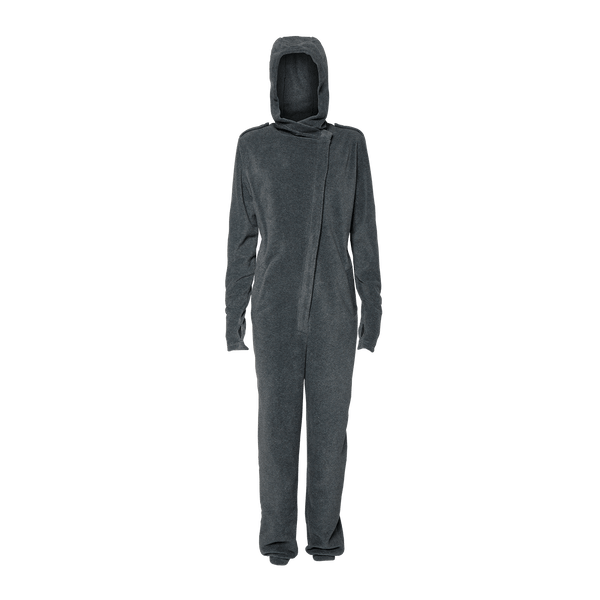
As a part of your routine, the right dressing is also important when dipping. Here it is important to wear something soft, fuzzy and warm like a robe or pantsuit afterward. A warm hat is also recommended - also while dipping.
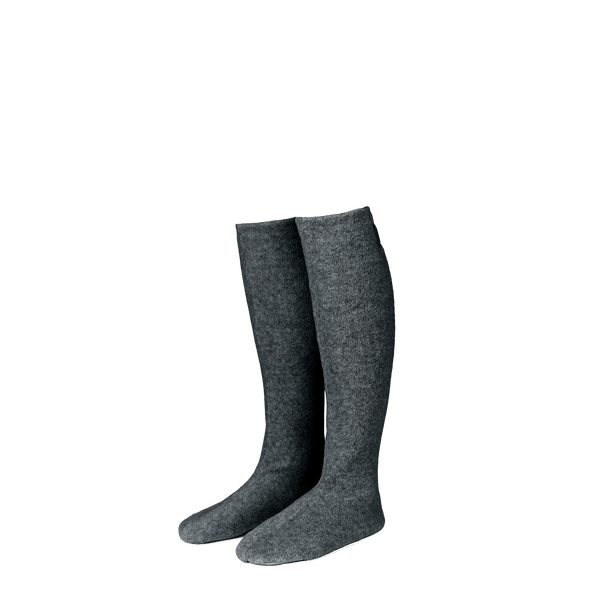
Keep warm in our robe, pantsuit, socks or blanket that serve you extra luxury and comfort with the best quality of light, soft and warm fleece.
[collection1]

If you are one of the lucky ones who has access to a sauna, we recommend that you use the time to massage your body with warming oils for face and body. Feel the tingling sensation under your skin, while the blood is vigorously pumping in your body, and the skin awakens.
If you don’t have access to a sauna, then get warm from the inside by filling a thermal bottle with hot tea to get (and hold onto) the warmth after dipping. Try Cocoon Tea Artisans with the finest whole leaves from the original, organic tea plant.
[collection2]
There you have it - if you were looking for a sign to get started, consider this to be your sign. Do it for you! For the companionship, your well-being, the body pleasure, for the release of endorphins and for your immune system.
Now you are ready to catch the wave!
________________
Tips & tricks - summary
- Go down or lower yourself slowly into the water with calm movements.
- If you come straight from the sauna, let your body cool down a bit before entering the cold water.
- It is a good idea to wear a hat - even when dipping.
- It is good idea to practice deep and slow breathing. Try the world-renowned Wim Hof Method.
- Start by doing very short dips - you can slowly build up your time spent in the water.
- Prepare some warm and soft clothing after dipping and maybe something warm to drink.
- Never go winter swimming alone, bring a friend along.
- Don’t go in if you feel sick or if you have health concerns.
- Use CALM balm as a protective cold cream on your skin in your face before, during and after bathing to avoid frostnip.


